How to reverse brain rot

You reverse brain rot by changing the inputs that caused it. Make short-form feeds harder to open, practise 10 to 20 minutes of single-tasking every day and lengthen it slowly, and protect your sleep. Studies of short digital breaks have measured better attention and sleep within about a week, so most people notice a difference sooner than they expect.
"Brain rot" is a nickname for the foggy, restless attention that follows hours of fast, endless content. It became Oxford's Word of the Year for 2024 because so many people recognised the feeling. Psychologists do not treat it as a medical condition, and a clinical neuropsychologist at University Hospitals put it plainly: there is no strong evidence that brain rot causes permanent cognitive decline. That is good news. A habit can be retrained.
What brain rot feels like
The signs are small and easy to dismiss one by one. You read the same paragraph three times. You reach for your phone the moment a room goes quiet. A film feels slow unless a second screen is running. Starting anything that takes effort, like an email or a page of reading, feels heavier than it used to.
What these share is a brain that has been trained to expect a new reward every few seconds. Short-form feeds are very good at delivering that, and slower activities start to feel dull in comparison. The fix is to make slow attention normal again.
Can brain rot be reversed?
Yes. A review of the research summarised on patient.info describes attention problems linked to digital habits as largely reversible, and notes that even a one-week break can measurably improve attention and sleep quality. Short mindfulness training has also been shown to reduce attention lapses and improve working memory.
The research points the same way every time: small changes, kept up, work better than dramatic detoxes that collapse after three days.
A daily plan to reverse brain rot
- Make the feed harder to open. Move short-video and social apps off your home screen, turn off their notifications and block them during work and the hour before bed.
- Single-task for 15 minutes. Pick one task, put your phone in another room and work on only that task for 15 minutes. Add five minutes every few days.
- Swap one scroll session for long-form. Replace one feed session a day with a chapter of a book, a long article or a full album played start to finish.
- Give your brain a quiet reset. After heavy screen use, spend ten minutes with your eyes closed and one steady sound playing, or walk without headphones.
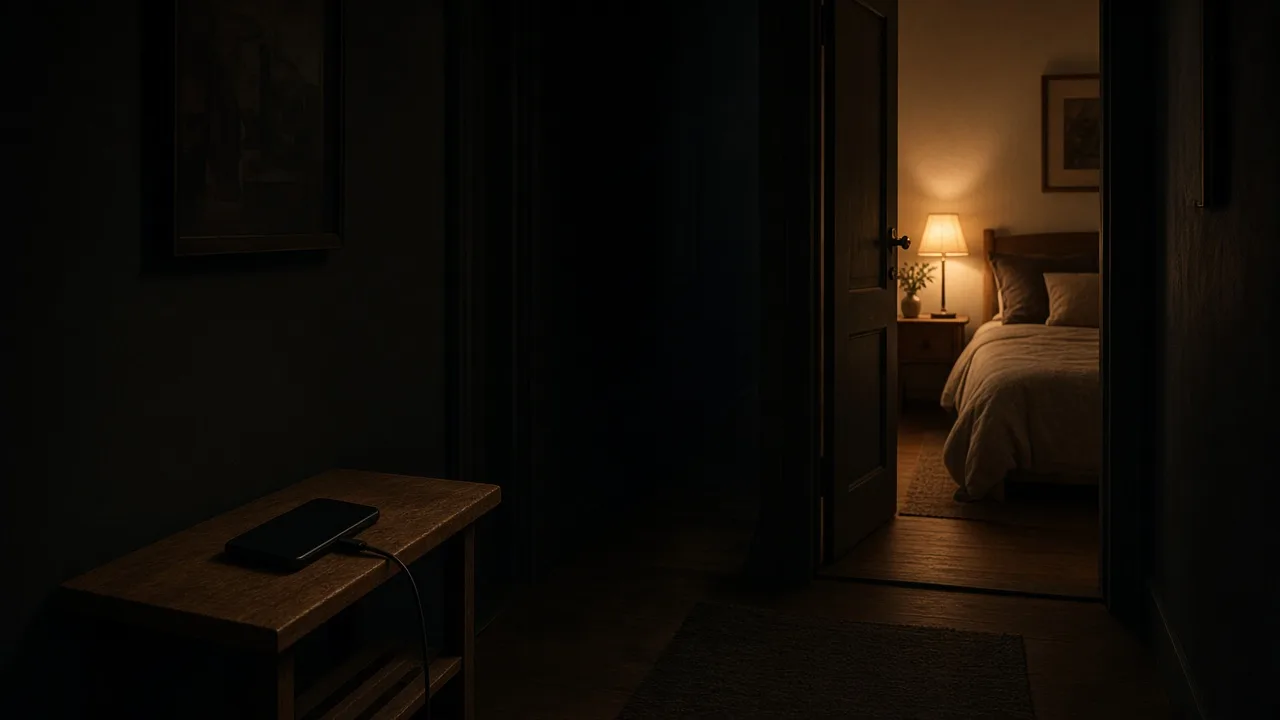
- Guard the last hour before bed. Charge your phone outside the bedroom and wind down with something that does not refresh.
- Track one visible number. Watch your daily screen time or time saved, so progress is something you can see.
Friction matters more than willpower. In a six-week field study, adding a short delay before chosen apps opened led people to back out of about a third of attempts, and actual app opens fell by 57 percent. Blocking does the same job with less negotiation.
How Sanctum helps you stick to it
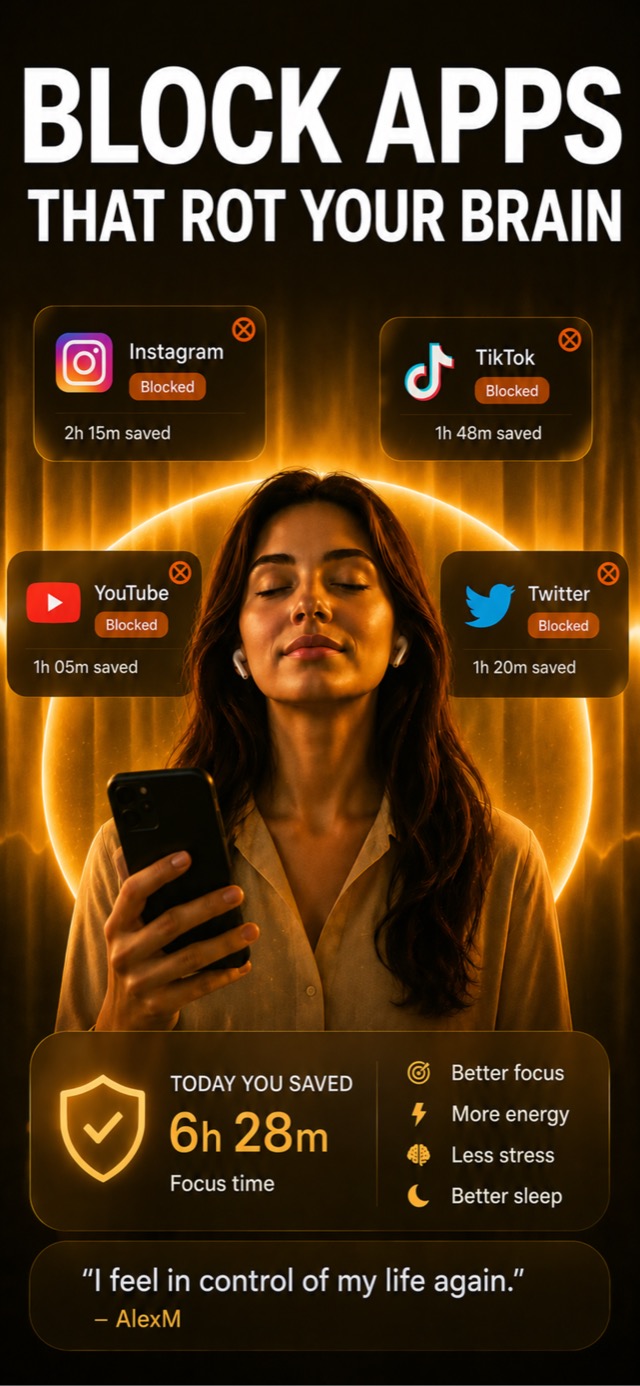
Sanctum was built around this plan. The app blocker uses Apple's Screen Time to lock the feeds you choose, so the first step happens automatically, and a counter shows how much time you saved that day.
For the single-task blocks, tap Flow state and set a timer. The soundscape gives your brain one steady thing to hear while you work, which makes it easier to stay put when the urge to check something arrives. At night, Sacred Sleep fades out on a timer so the phone can stay face down. A progress screen tracks focus and clarity scores week by week.
How long does it take to reverse brain rot?
The first two or three days are usually the hardest. Quiet moments feel itchy and your hand goes to your pocket out of habit. By the end of the first week, starting tasks tends to feel easier and evenings feel longer. After three or four weeks of steady single-tasking, many people can read for half an hour without drifting.
Everyone moves at a different pace, and a bad day does not reset the clock. Count the days you stuck to the plan and let the slips go.
When to talk to a professional
If your attention problems started long before heavy phone use, or they are affecting school, work or relationships, talk to a doctor. ADHD, depression, anxiety and sleep disorders can all look like brain rot from the inside, and they respond to proper treatment.
For a related habit, see how to stop doomscrolling before bed.
Frequently asked questions
Is brain rot a real medical condition?
No. Brain rot is an informal term for the scattered attention and mental fatigue that can follow heavy use of short-form content. Clinicians do not diagnose it, and there is no strong evidence that it causes permanent harm.
Does deleting TikTok fix brain rot?
Deleting one app helps, but attention usually recovers faster when you also rebuild the opposite habit with daily single-task blocks and long-form reading. Many people find blocking apps on a schedule easier to keep up than deleting and reinstalling them.